


Main Content
Condo Exposure Guide: Best Direction for a Condo to Face

When most Calgary condo buyers look for a property, they consider price, square footage, amenities, and location. But there’s one factor that often flies under the radar and can impact your daily comfort, cooling costs, and long-term satisfaction more than almost anything else – and that’s unit exposure.
Condo exposure refers to the direction your unit’s primary windows and balcony face relative to the rising and setting of the sun. In a city like Calgary, where we experience dramatic seasonal shifts – from bright and long summer days to short and chilly winter ones – the direction your condo faces has a profound effect on how much natural light enters your home, how warm or cool it stays throughout the year, and even how much you’ll pay in heating and cooling costs, if those aren’t covered by your condo fees already.
Whether you’re a first-time condo buyer, a seasoned investor, or someone downsizing into a more manageable lifestyle, understanding condo exposure is one of the smartest moves you can make before signing on the dotted line.
- Looking at buying a house instead? See these Top 10 House Orientation Tips today.
Key Takeaways
- Calgary’s Climate is Unique – With over 320 sunny days per year, Calgary’s intense seasonal swings make condo exposure a more impactful decision here than in most other Canadian cities.
- Floor Height Changes Everything – A north-facing penthouse can receive more usable natural light than a south-facing second-floor unit surrounded by taller buildings, so always evaluate an apartment’s exterior wall exposure and floor level together.
- Exposure Directly Affects Your Costs – The direction your unit faces influences your heating and cooling bills year-round, making it a financial consideration just as much as a lifestyle one.
- Window Size & Building Design Matter – Floor-to-ceiling windows can dramatically offset the limitations of any exposure, so assess the actual glazing configuration of a unit alongside its compass direction.
- Visit at Different Times of Day – The only way to truly understand how an exposure performs is to view the unit in the morning, afternoon, and evening — especially before committing to a south or west-facing unit in summer.
The Sun’s Path
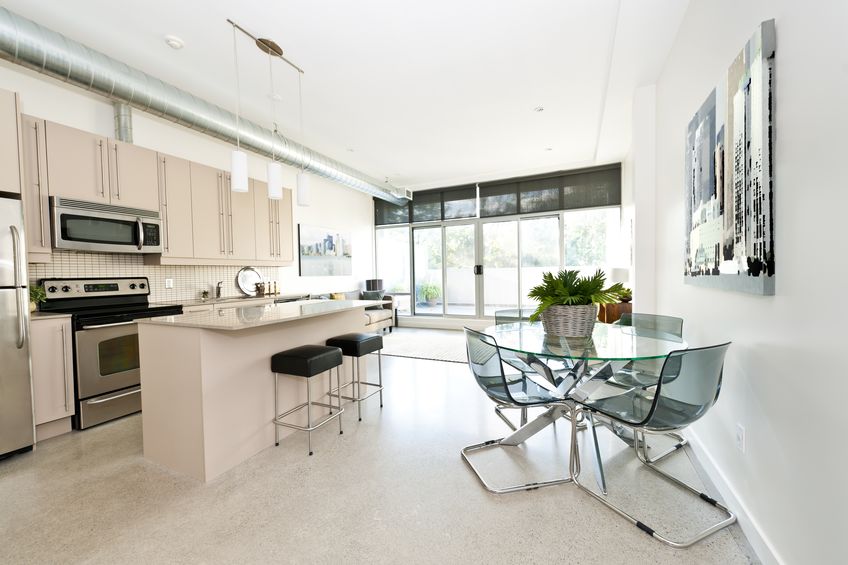
Before diving into each exposure, it helps to understand how the sun moves across the sky at your latitude. Calgary, for example, sits at 51° north latitude, the sun is never directly overhead, and arcs across the southern portion of the sky year-round. This means the following:
- South-facing condos/apartments receive the most consistent direct sunlight across all seasons.
- North-facing condos/apartments receive the least direct sun, particularly in winter.
- East-facing condos/apartments catch the rising morning sun and are in shade by afternoon.
- West-facing condos/apartments are shaded in the morning but receive direct sunlight in the afternoon and evening.
Understanding the sun’s arc and its impact on your condo or apartment is the foundation for buying a condo with the exposure that best matches your lifestyle, priorities, and comfort preferences.
North Condo Exposure
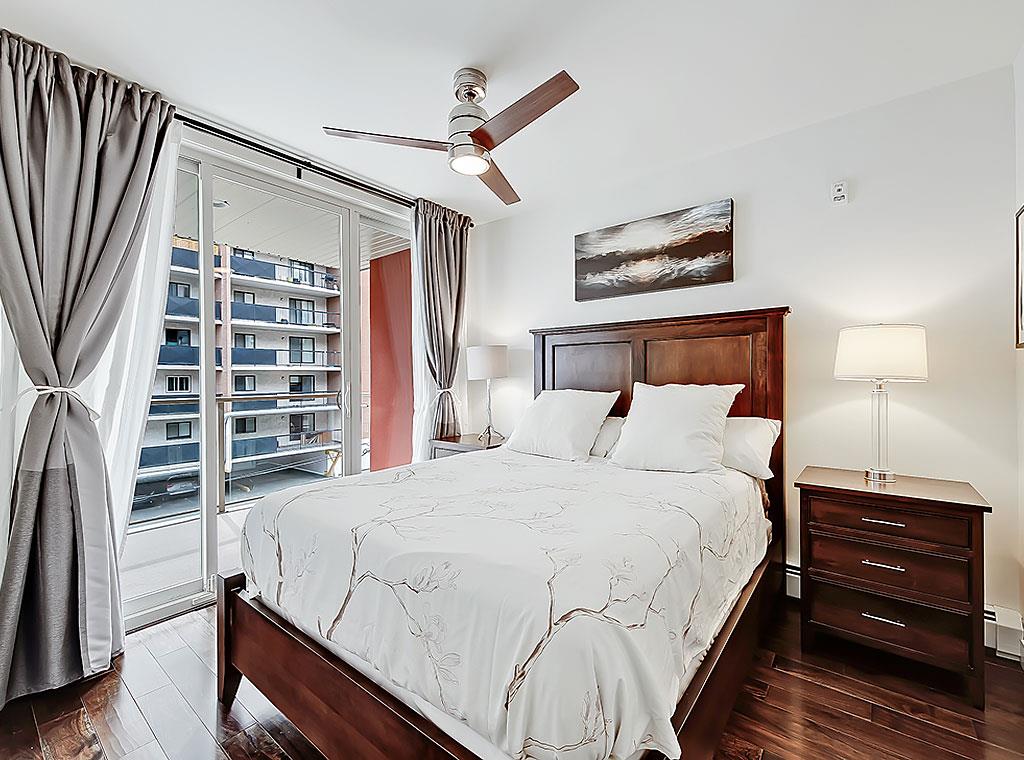
A north-facing condo receives less direct sunlight than units facing other directions, but this doesn’t mean you’ll be living in the dark. North-exposure units still enjoy ample indirect natural light throughout the day, creating a soft-lighted ambiance that many residents find pleasant and easy on the eyes.
Because the sun never directly penetrates north-facing windows for extended periods, these units tend to stay cooler in summer and are far less susceptible to overheating – a major advantage in the summer months. If you’re using a portable air-conditioner to cool your condominium, you’ll also likely not need to use it as much to attain the desired temperature within your unit.
Who It’s Best For
North-facing condos are particularly popular among condominium buyers who:
- Prefer cooler indoor temperatures without relying heavily on air conditioning
- Live in older condo buildings that lack centralized air-conditioning systems
- Work from home and need consistent, glare-free light for screens or creative work
- Are light-sensitive sleepers who don’t want early morning sun flooding their bedroom
Key Advantages
- Greater temperature control year-round
- Lower cooling costs in summer
- Soft, consistent natural light ideal for home offices and art spaces
Things to Consider
- The trade-off is reduced warmth in winter, which can slightly increase heating needs
- May feel less vibrant to buyers who love bright, sun-drenched interiors
- Views to the north in Calgary, for example, can be less dramatic than those to the west
South Condo Exposure
South-facing condos are often the most sought-after units in a building. Because the sun travels across the southern sky in Canada, a south-facing unit receives direct sunlight for the longest period of the day throughout all four seasons. In winter, especially when sunlight hours are precious, a south-facing condo unit can feel like a warm sanctuary compared to other exposures.
Expect bright, cheerful interiors filled with ample natural light from mid-morning through the late afternoon. Your plants will thrive. Your space will feel larger. And you’ll enjoy the sun’s warmth, even on the coldest days.
Who It’s Best For
South-facing condo/apartment units are especially popular amongst:
- Sun lovers and plant enthusiasts who crave natural light
- Buyers in newer buildings with modern low-e-glazed windows designed to manage solar heat transfer
- Those who prioritize passive solar heating to reduce winter energy costs as much as possible
- Anyone who enjoys bright, open, airy interiors year-round
Key Advantages
- Maximum natural light throughout all seasons
- Passive solar warmth reduces heating costs in winter
- Creates a vibrant, energizing living environment
- Plants and indoor gardens flourish with consistent sun exposure
Things to Consider
- Overheating in summer, especially in older buildings without central air-conditioning systems.
- Condos and apartments without proper cooling systems can become uncomfortably hot.
- Consider window films, exterior blinds or solar shades, and a good air-conditioning system to help regulate temperatures in a comfortable range.
East Condo Exposure
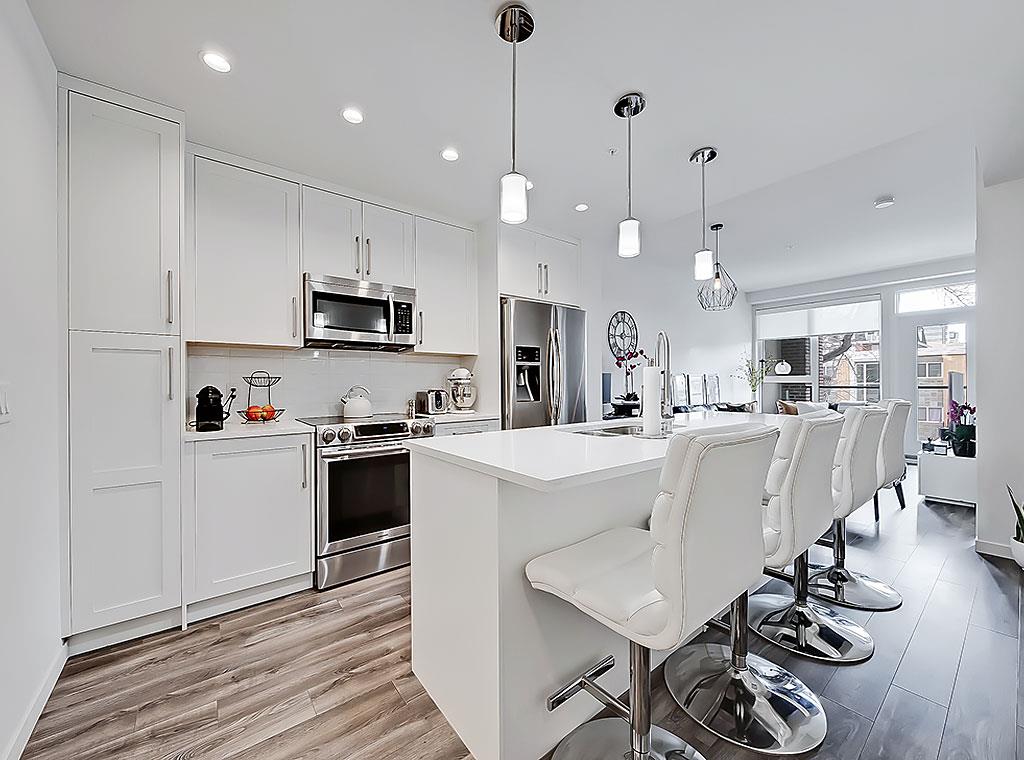
East-facing condos greet you with morning sunshine through your doors and windows as the sun rises. Your unit warms up in the early hours of the day, making mornings feel bright and energizing. By mid-day to early afternoon, however, the sun has moved past your apartment’s windows, and your interior transitions into comfortable shade for the rest of the day.
This condo exposure pattern means east-facing units are naturally cooler in the afternoon and evening – a significant advantage during Calgary’s warm summer months. The morning sun can help keep your apartment warm throughout the day, even after it’s passed overhead, if that’s what you desire.
Who It’s Best For
East-facing condos are an excellent match for:
- Early birds who love waking up with natural light and don’t mind or enjoy sunrise in their bedroom
- Shift workers who need their unit to be cool and dark in the afternoon for daytime sleep
- Buyers who want a balance of light and don’t mind prefer a cooler workspace in the afternoon hours
Key Advantages
- Beautiful, warm and energizing morning light
- Naturally cool afternoons and evenings – minimal A/C needed
- Great for active morning routines when at work or doing fitness activity
Things to Consider
- If you’re not a morning person, east exposure will bring ample light into your windows, potentially disrupting your sleep – especially during summer when the sun rises early.
- Quality blackout blinds or window treatments are a must in bedrooms.
- East-facing condo balconies can be breezy and cool by the time most people head outside to relax in the evening.
West Condo Exposure
West-facing condos are arguably the most lifestyle-focused exposure. Your unit sits in morning shade while you’re at work and gradually catches the sun from early afternoon onward, bathing your balcony and living spaces in warm light.
For many condo owners, this is the ideal setup: stepping out onto a warm, sun-drenched balcony after a long day, watching the sun dip below the horizon.
Who It’s Best For
West-facing units are particularly popular with the following:
- After-work outdoor enthusiasts who want a warm, sunny balcony in the evenings
- Night owls and late sleepers who prefer shade in the morning and light in the evening
- Buyers in high-rise condos who want premium sunset views and evening ambiance
Key Advantages
- Sunlit views throughout the evening sunset
- Warm, inviting evening light fills your living spaces naturally
- Ideal for entertaining on the balcony in the afternoon and evenings
- Creates a cozy, warm atmosphere during Calgary’s long summer evenings
Things to Consider
- West-facing units can experience afternoon heat buildup, particularly in summer; units without A/C could have an uncomfortable temperature while sleeping
- Like south-facing units, quality windows and air conditioning are important considerations.
- The afternoon and evening sun can cause glare on TV screens and monitors, so window films are a worthwhile investment.
- high-rise buildings, west-facing units can sometimes command a premium price due to demand for sunlit views
Additional Factors Beyond Condo Exposure
Floor Height Matters
Exposure alone doesn’t tell the whole story. A south-facing unit on the second floor surrounded by taller buildings may receive significantly less light than a north-facing penthouse. Always consider a condo’s floor level, along with your exposure, when assessing natural lighting and other benefits of exterior walls facing a particular direction.
Seasonal Changes
Calgary’s seasons are dramatic. The city experiences over 320 days of sunshine per year, but the intensity and angle of that sunshine changes significantly between seasons. A south-facing unit in January feels very different from one in July. When viewing condos, ask your Realtor® about how the unit performs in different seasons, or better yet, visit at different times of year if possible.
Building Design & Window Size
Floor-to-ceiling windows dramatically change the light dynamics of any exposure. A north-facing unit with floor-to-ceiling glass can feel incredibly bright and open, while a south-facing unit with small windows may feel dimmer than expected. Always assess the actual window configuration alongside the directional exposure.
Energy Efficiency & HVAC Systems
Modern Calgary condos are increasingly built to ENERGY STAR standards, with high-performance windows that effectively manage solar heat gain. In older buildings, however, HVAC systems and window quality vary significantly. This is an important due diligence item; ask your Realtor® about the building’s mechanical systems, especially if you’re considering a south or west-facing unit.
Condo Fees & Building Amenities
Remember that exposure-related comfort can often be supplemented by building amenities. Does the building have central air conditioning, for example? Are there exterior shading systems on south or west-facing unit, such as balconies above yours? These details can make a big difference in your day-to-day living experience and are worth discussing with your Realtor®.
Talk to a Condo Expert
Unit exposure is one of the most impactful decisions you can make in the condo buying process. There’s no universally right answer, but there is a right answer for you – and finding it starts with a conversation.
Make sure to contact a trusted Realtor® and experienced condo specialist when buying your next unit. Their expertise in unit exposure and several other critical facets of any condo purchase could very well make or break your experience and overall success with the purchase!
Required fields are marked*
- Airdrie
- Alberta
- Arts and Culture
- Blog
- Buying Tips
- Calgary
- Calgary Activities and Events
- Calgary Communities
- Calgary Condo Guide
- Calgary Infill Homes
- Calgary Luxury Homes
- Calgary New Condo Guide
- Calgary New Homes
- Calgary Real Estate Statistics
- Calgary Restaurants
- Calgary Townhomes
- Canada
- Chestermere
- Cochrane
- Condo Building Review
- Condos in Calgary
- Featured Blog Posts
- Featured Blogs
- First Time Home Buyers Guide
- Listings
- Moving to Calgary
- New Condo Projects
- Oil and Gas
- Okotoks
- Selling Tips
- Slider
- Testimonials
- The Best in Calgary
- Uncategorized
- Video Testimonials
- Contact Us
- Search MLS®
- Sellers’ Guide
- Buyers’ Guide
- About Cody & Jordan
- Blog
- Testimonials
- Downtown Calgary
- SW Calgary
- SE Calgary
- NE Calgary
- NW Calgary
- Calgary Condos
- Calgary Townhomes
- Calgary Infills
- Calgary Luxury Homes
- New Calgary Homes
- New Calgary Condos
- Acreages for Sale
- Bungalows for Sale
- Duplexes for Sale


